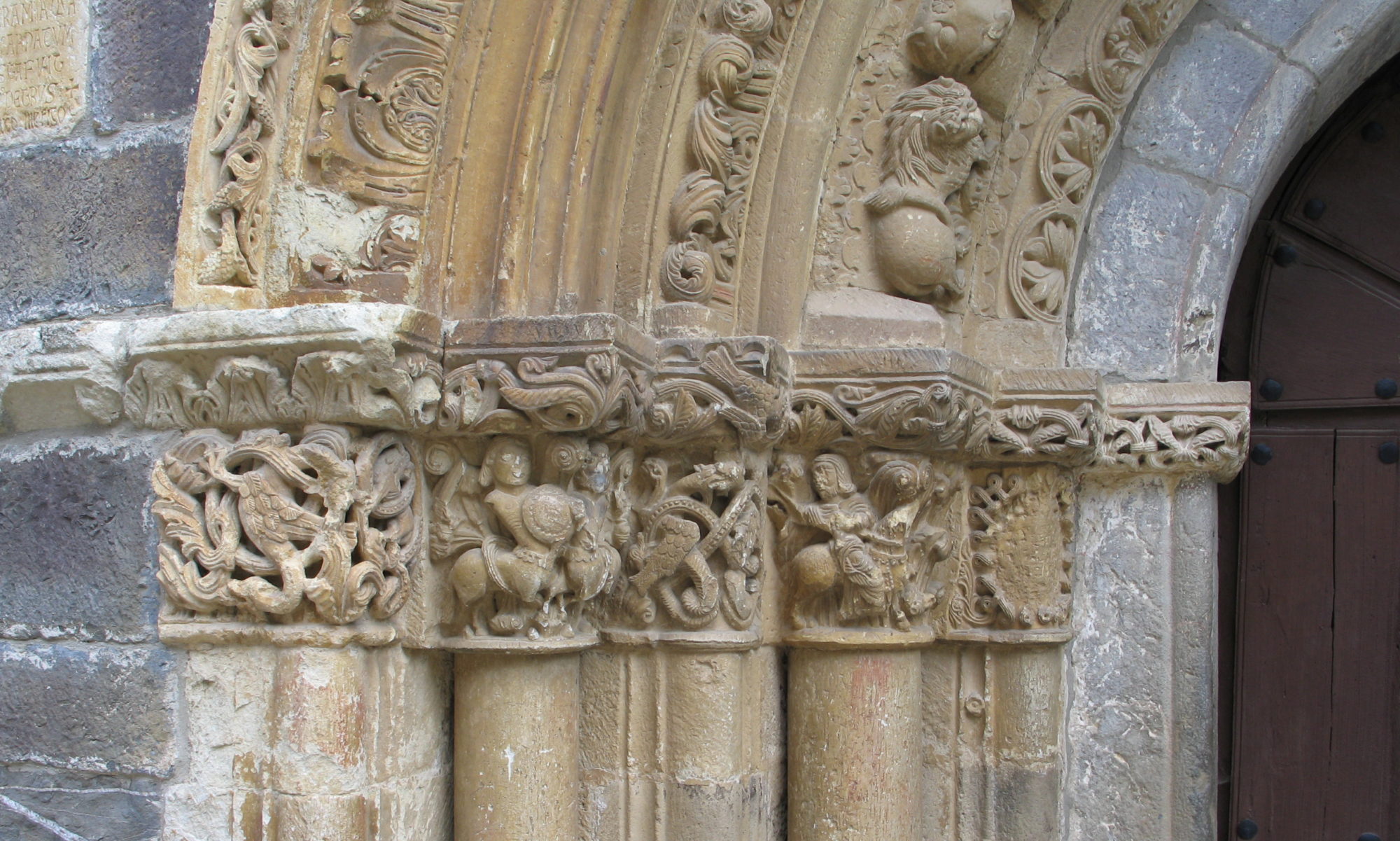
Tournament

I’m trying to write a scene about a tournament and it’s a bit of a stretch for me.  That was an understatement.  I tend to skim battle and fight scenes in books, and glaze over in the movie theatre, and now I find myself having to come up with something more interesting than “He hit him with his sword and then the other guy struck back and then…”

So while I’m procrastinating, I will offer you this interesting factoid I just learned.  Did you know that our word “tournament” comes from the fact that, after the two jousting knight had made their initial charges towards each other on horseback, they had to quickly turn around, the “tournament,” to face each other and charge again?  Imagine the challenge of halting the momentum of a galloping horse, heavy with armor-laden rider, and turning the animal in the opposite direction.  The one who could do this with the most speed and skill had a definite advantage.

The Historian’s Craft

A colleague of mine, Catherine Brekus, once said that writing history like putting together a puzzle, only half the pieces and the box lid with the picture on it are missing. I like that analogy, and I want to push it a little further. Unlike most puzzles, the pieces of the historical puzzle, the evidence, do not fit together in only one way. The same set of pieces will be put together in different ways by different historians, because depending on our own politics, interest, background, and questions we will see different patterns on each of the pieces, alone and in series. The puzzles we make will change as generations of historians come up with new questions and approaches. There are wrong ways to put the pieces together, jamming a tab into a slot where it doesn’t fit, but also multiple right ways. Of these right ways, some will give you a better, fuller picture of the whole.

Just make sure you find the piece that disappeared under the chesterfield.